Category: Uncategorized

  • Corporate Event Travel Guide: How Ventla Helps with Travel Management and Communication

    Corporate Event Travel Guide: How Ventla Helps with Travel Management and Communication

    Introduction

    Planning and executing corporate events can be stressful—especially when travel logistics and communication are involved. A conference app like Ventla can be invaluable for coordinating group transportation, hotel bookings, and timely updates to participants. This article outlines how Ventla supports travel management and communication, plus what to consider when choosing a platform.

    The Benefits of Ventla for Travel Management

    Create personal itineraries:
    With Ventla, each participant can receive a personalized program covering both individual and group details—key sessions, accommodation information, staffing schedules for booths or sessions, travel plans, team members and contacts, safety guidelines, and more.

    Efficient notifications and chat:
    Send reminders and last-minute changes via push notifications, and centralize chat and information sharing in one place. Use the activity feed to share photos, streamline updates, and keep team spirit high.

    Simpler coordination and stronger cohesion:
    Ventla makes it easier to manage events and build a sense of togetherness. The app supports conference-related activities throughout the trip and fosters engagement among travel planners, speakers, leadership, and team members. Everyone gets a personal plan and the supporting information they need.

    Explore built-in gamification:
    Leverage Ventla’s gamification features to run fun, competitive activities during travel days and on site. Build camaraderie by letting everyone see the live leaderboard in real time.

    How Ventla Streamlines Communication

    Central information hub:
    Ventla serves as the single source of truth for event essentials—programs, attendee lists, and contact details.

    Real-time updates:
    Push out live updates about program changes or other critical information so participants always have the latest.

    Participant interaction:
    Encourage networking and conversation with in-app messaging and group chats to keep communication flowing before, during, and after the event.

    What to Consider When Choosing a Conference App

    • Functionality: Ensure the app—like Ventla—covers your must-have features for travel coordination and attendee communications.
    • Availability: The app should be accessible on both iOS and Android so everyone can participate.
    • Security: Confirm that Ventla has appropriate safeguards in place to protect personal data and sensitive information.
    • Plans and pricing: Explore Ventla’s available packages to find the best fit for your needs and budget.

    Summary

    Using a conference app like Ventla is an effective way to manage travel logistics and communicate with participants. With Ventla’s platform, you can deliver a memorable attendee experience and set your next corporate event up for success. Choose a platform that meets your requirements and offers the features and benefits you need—and feel free to contact us to learn more and get insider tips.
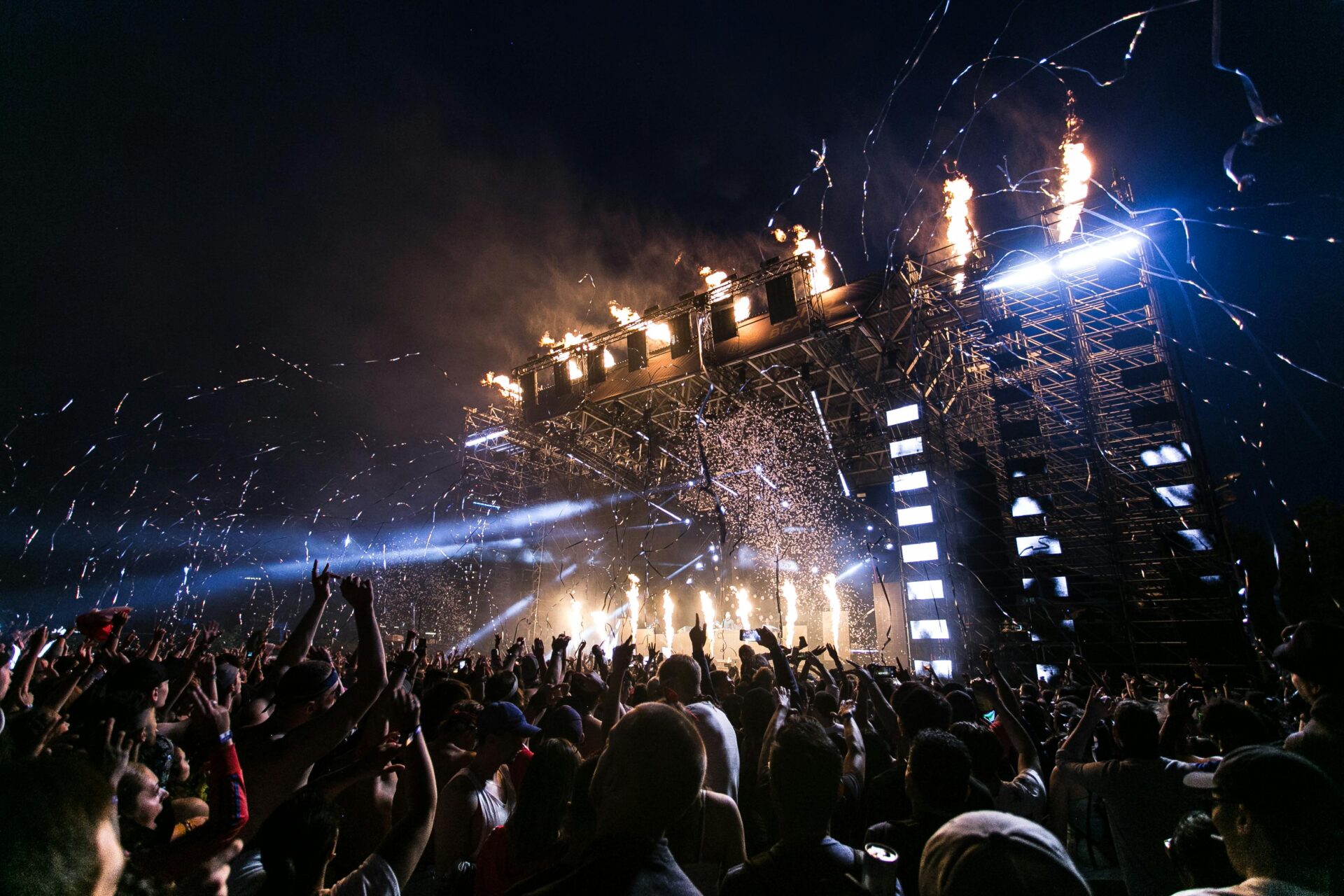
  • Why You Need an Event Platform

    Why You Need an Event Platform

    Introduction

    Planning and organizing an event is challenging. It takes time, effort, and budget to ensure everything runs smoothly. One of the biggest keys to success is keeping all information in one place. That’s where an event platform comes in.

    In this article, we’ll cover why a dedicated event platform matters, the benefits of centralizing information, how it saves time and money, and how it elevates the attendee experience.

    The Benefits of Centralizing All Event Information

    Housing everything in a single hub is a game-changer. Attendees, sponsors, and staff can find what they need—dates and times, venue details, speakers, agenda, sponsors, and more—without hunting across channels.

    Centralization also reduces the risk of miscommunication. With one authoritative source, everyone sees the same, up-to-date information. You can further boost engagement and learning by encouraging attendees to introduce themselves, share their journey to the event, arrange meetings, and post reflections and takeaways during and after the program.

    Real-time evaluations and pulse surveys inside the platform help you collect continuous feedback. Each iteration becomes an opportunity to improve content, logistics, and experience—making your events more relevant and valuable over time.

    How a Platform Saves Time and Money

    Event planning is time-intensive. An event platform streamlines the process by automating key tasks—registration, confirmations, reminders, check-in, session selections, and more.

    Automation reduces errors and duplicate work, freeing your team to focus on quality. It also supports sustainability: moving schedules, programs, and collateral online minimizes printed materials—lowering costs and environmental impact—while enabling instant updates that keep everyone aligned.

    Elevate the Attendee Experience with a Dedicated Platform

    A platform makes the attendee journey smoother from start to finish. With everything in one place, participants can plan their day, manage tickets, build personal agendas, and receive timely reminders about start times and room locations.

    It also enables richer interaction. Built-in chat and networking features help on-site attendees book meetups, while virtual participants can engage from anywhere through Q&A, polls, and messaging. Sponsors and exhibitors can share content, nurture leads, and continue conversations after the event—extending value for all parties.

    Beyond communication and networking, the platform’s analytics provide insights into what resonates. By acting on this data, you can refine programming, improve operations, and deliver a better experience at every edition.

    Conclusion

    An event platform is an invaluable asset for planning and execution. By centralizing information, automating workflows, and enabling interaction, it delivers a more professional, cohesive, and engaging experience—while saving time and money.

    The benefits don’t end when the event does. Post-event data reveals what worked and what to improve next time, fueling continuous innovation. Collaborate with your teams, partners, and attendees to co-create standout experiences. With a dedicated platform as your foundation, you’ll run smarter events, build stronger communities, and achieve greater results—edition after edition.

  • Communicate Event Information Like a Pro: Everything You Need to Know

    Communicate Event Information Like a Pro: Everything You Need to Know

    Communicating event information effectively is essential to making your event a success. With modern tools and techniques, you can reach attendees easily and create an engaging, memorable experience. In this article, we’ll explore practical methods and platforms that streamline event communications: the benefits of a conference app, how an event platform improves communication and the attendee experience, a quick guide to travel coordination, and ways to use event technology to inform and engage your audience.

    Why a Conference App Elevates Event Communication

    A conference app is a powerful way to deliver timely information before, during, and after the event. Send push notifications for updates, program changes, and reminders. Give attendees instant access to schedules, speaker profiles, maps, and other essentials—right on their phones.

    Built-in features like chat, live polls, and Q&A boost interaction and participation. It’s a cost-effective, scalable channel for consistent communications and a better overall attendee experience.

    How an Event Platform Improves Communication and CX

    An event platform brings your tools together in one place. Create a customized event website where attendees can register, view the agenda, and explore speaker and exhibitor information. Use the platform to send emails and reminders to attendees and stakeholders.

    The result is a cohesive, professional experience for attendees and a more efficient workflow for organizers—less manual effort, fewer errors, and clearer communication.

    Share Practical Travel Guidance with Your Event App

    For conferences and corporate events, centralized travel guidance is invaluable. Use your event app to provide:

    • Pre-trip checklists and travel tips
    • Hotel and venue details with maps and transit options
    • Shuttle schedules and real-time updates
    • Local guidance (restaurants, accessibility info, emergency contacts)

    With everyone receiving the same up-to-date information on their mobile devices, you reduce friction and support a smoother, less stressful journey.

    Use Event Tech to Inform and Engage

    Digital tools have transformed how we communicate and interact at events. Live streaming, virtual and hybrid formats, social media, and mobile apps expand your reach and create richer experiences. By combining these tools, organizers can engage larger audiences, personalize content, and turn passive viewing into active participation—through reactions, polls, chat, and community spaces.

    Summary

    Getting event communication right is a cornerstone of event success. By leveraging conference apps, event platforms, smart travel guidance, and modern event technology, you can deliver clear information, increase interaction, and craft a memorable experience. Adopt these tools strategically to maximize impact—and turn your event into a smooth, engaging success for everyone involved.

  • Efficient Logistics Management with an Event Platform

    Efficient Logistics Management with an Event Platform

    When it comes to organizing and delivering events, logistics often make or break the experience. Yet managing logistics can be challenging and time-consuming—especially around registration, unique program tracks, and scheduling. The good news: a modern event platform can streamline the process dramatically. This article explores how an event platform improves and automates logistics for smoother events.

    Manage Core Logistics with One Platform

    An event platform centralizes critical tasks so you can work faster and with fewer errors.

    • Online registration: Offer a simple, user-friendly flow so attendees can register, select sessions, and manage tickets. Centralized registration data makes it easy to track headcounts and tailor resources to demand.
    • Scheduling: Build and share live schedules with attendees, speakers, and staff. A single source of truth reduces confusion and keeps everyone aligned with real-time updates.

    Automate Processes for Greater Efficiency

    One of the biggest advantages of using an event platform is automation.

    • Automated communications: Configure rules and workflows for email reminders, push notifications, check-in details, and last-minute changes—reducing manual work and human error.
    • Integrations: Connect your platform to CRM systems, payment gateways, and marketing tools. With data consolidated in one place, you can analyze trends, track payments, and make informed decisions that improve future events.

    Tips to Optimize Your Logistics Flow

    • Customize to fit your event: Choose a flexible platform that adapts to your formats, tracks, and goals. Every event is unique.
    • Train your team: Ensure everyone involved understands how to use the platform correctly to avoid mistakes and duplicate effort.
    • Test before you go live: Run realistic scenarios to validate features, data flows, and the attendee experience.
    • Leverage data: Use behavioral and preference data to refine schedules, staffing, signage, and communications.

    Make the Process Smoother

    Event logistics can be complex, but with the right tools you can streamline operations and deliver a seamless experience for everyone involved. An event platform helps you manage registration, participation, and scheduling in a more automated, efficient way. With a few smart practices, you’ll optimize your logistics flow—and set your event up for success.

  • Build Long-Term Attendee Relationships with an Event Platform

    Build Long-Term Attendee Relationships with an Event Platform

    Creating and maintaining strong, long-term relationships with attendees is essential to event success. With the right event platform, you can leverage tools and strategies that help you interact, communicate, and engage participants before, during, and after the event. This article explores how to cultivate meaningful connections using an event platform—and how to use livestreaming to deliver an engaging experience at scale.

    Build Meaningful, Lasting Relationships

    An event platform enables you to create interactive attendee profiles and provide collaboration tools that keep people connected. By facilitating networking and fostering a sense of community, you lay the groundwork for deeper, longer-lasting relationships that extend beyond a single event.

    Tools for Post-Event Interaction, Communication, and Follow-Up

    Keep momentum going after the event with built-in community features:

    • Discussion forums & groups: Continue conversations, share resources, and crowdsource ideas.
    • Chat and direct messaging: Encourage one-to-one and small-group connections.
    • Content hubs: Share recordings, slides, and recaps to sustain learning.
    • Feedback & surveys: Gather insights to strengthen relationships and inform future programming.

    Strategies & Campaigns for Ongoing Engagement

    Use your platform to run initiatives that reward loyalty and participation:

    • Exclusive content & perks for returning attendees or members.
    • Challenges, polls, and gamified activities to drive recurring visits.
    • Community spotlights (e.g., attendee stories, expert AMAs) to deepen belonging.
    • Cadenced communications—newsletters, event roadmaps, and save-the-dates—to keep the community informed and involved.

    Livestream Your Events to Grow Reach

    Livestreaming through your event platform lets you engage audiences who can’t attend in person—without diluting the experience. Provide a seamless, high-quality virtual presence so online participants can watch sessions, interact, and network alongside onsite attendees.

    Technical Requirements & Tips for Smooth Streaming

    Set yourself up for success by preparing the basics:

    • Reliable bandwidth with tested upstream capacity and a wired connection where possible.
    • Appropriate capture gear (camera, mics, encoder) and clear audio as priority #1.
    • Redundancy for power, internet, and critical hardware.
    • Dry runs to test scenes, transitions, overlays, and speaker handovers.
    • Attendee guidance (FAQ, device/browser tips, timezone clarity) to reduce support queries.

    Engage and Interact with Online Attendees

    Make virtual participation active—not passive:

    • Live chat & moderated Q&A to bridge presenters and viewers.
    • Real-time polls and quick reactions to keep energy high.
    • Breakout rooms & virtual roundtables for small-group discussion.
    • Community boards for ongoing threads that outlive the broadcast.

    Summary

    An event platform is a powerful engine for building durable attendee relationships. By combining interaction, communication, and livestreaming features, you can create meaningful experiences for both in-person and online participants. Focus on community and continuous engagement, and you’ll strengthen relationships while setting your events up for lasting success.

  • Maximize Attendee Experience with an Event Platform

    Maximize Attendee Experience with an Event Platform

    Creating a memorable and engaging experience for participants is key to any event’s success. With today’s technology, an event platform can be a powerful tool for enhancing the attendee journey — making the event more interactive, seamless, and personal.

    In this article, we’ll explore how an event platform can help maximize attendee satisfaction by offering useful features, interactive tools, and personalized experiences that make your event truly unforgettable.

    How an Event Platform Enhances the Attendee Experience

    An event platform plays a crucial role in improving the attendee experience by simplifying registration and participation. A smooth, intuitive registration process allows guests to sign up quickly, select sessions, and manage their tickets and schedules effortlessly. This reduces friction and ensures a more enjoyable start to the event journey.

    Access to information is another key factor. With all event materials — such as schedules, speaker profiles, maps, and presentations — easily accessible in one place, attendees can find exactly what they need, when they need it. This organized, user-friendly setup minimizes confusion and helps participants feel confident and informed throughout the event.

    Useful Features and Tools to Engage Participants

    Modern event platforms offer a range of interactive features designed to keep participants actively involved. Live polls, Q&A sessions, and real-time chats encourage direct engagement between speakers and attendees, turning traditional presentations into dynamic, two-way experiences.

    By providing opportunities for attendees to ask questions, vote, and share their opinions, you transform them from passive listeners into active contributors — boosting energy, attention, and participation.

    Networking is another powerful feature. Through an event platform, attendees can easily connect with others who share similar interests, goals, or professional backgrounds. Smart matchmaking tools and private messaging functions foster collaboration, knowledge exchange, and meaningful connections — creating a positive, community-driven atmosphere.

    Creating a Personalized and Memorable Experience

    One of the most effective ways to maximize attendee satisfaction is through personalization. Event platforms make it easy to tailor content and recommendations for each participant using data insights and analytics. By understanding attendees’ interests and behaviors, you can customize their schedules, suggest relevant sessions, and send targeted notifications that make every interaction feel meaningful.

    You can also encourage attendees to build personal profiles, share information about themselves, and connect with others before, during, and after the event. This sense of identity and connection helps foster long-term relationships and community engagement that extend beyond the event itself.

    The Event Platform as a Strategic Tool

    An event platform is more than just a management tool — it’s a gateway to creating an engaging, interactive, and personalized attendee experience. By leveraging its features and data-driven capabilities, you can deliver events that are not only well-organized but truly memorable.

    Every event is unique, so be sure to adapt your platform to your audience and objectives to achieve the best possible results. When used strategically, an event platform becomes the foundation for lasting impressions, stronger connections, and overall event success.

  • Boost Attendee Engagement with Interactive Features on Your Event Platform

    Boost Attendee Engagement with Interactive Features on Your Event Platform

    Creating an engaging and memorable experience for attendees is one of the top priorities for any event organizer. Interaction plays a key role in capturing and maintaining participants’ interest. Thanks to advances in technology and the rise of event platforms, it’s now easier than ever to create dynamic, interactive experiences that truly involve your audience.

    In this article, we’ll explore how you can use interactive tools and features within an event platform to increase attendee engagement and foster a more energetic, connected atmosphere at your event.

    Using Interactive Tools and Features to Engage Participants

    An event platform allows you to integrate a range of interactive tools that encourage attendees to participate actively throughout the event.

    One popular feature is live polling, which enables participants to vote in real time on topics or questions discussed during sessions. This not only gives attendees a voice but also transforms sessions into dynamic discussions where results can be analyzed and debated immediately.

    Another highly effective feature is the live Q&A function. By enabling attendees to submit questions directly through the platform, speakers can respond in real time or during a dedicated Q&A segment. This direct line of communication between attendees and speakers creates a more personal, engaging, and rewarding experience for everyone involved.

    Creating Interactive Sessions, Polls, and Discussion Forums

    An interactive event platform makes it possible to design dynamic sessions that go far beyond traditional one-way presentations. Instead of a passive audience, participants become active contributors.

    For example, you can organize collaborative workshops where attendees work together on group exercises or problem-solving tasks. This type of participation not only increases engagement but also encourages networking and shared learning.

    A discussion forum within your platform is another excellent way to promote ongoing interaction — before, during, and after the event. Attendees can exchange ideas, share experiences, and connect with speakers and peers in a more informal environment. This fosters a sense of community and extends the life of your event beyond the scheduled sessions.

    Real-World Examples of Events Enhanced by Interactivity

    Many event organizers are already leveraging interactive features to boost attendee participation and satisfaction.

    At major international conferences focused on technology and innovation, participants often take part in live chats with speakers, real-time voting on future trends, and interactive breakout sessions where collaboration and conversation drive the agenda.

    Another example is virtual exhibitions, where visitors can explore artwork in 3D, join virtual tours, and communicate directly with artists via live chat — transforming a standard digital event into a truly immersive cultural experience.

    Turning Interaction into a Lasting Experience

    By integrating interactive tools and features into your event platform, you can transform your event into a vibrant, memorable experience for every attendee.

    From live polls and Q&A sessions to discussion forums and virtual networking, interactivity keeps participants engaged and emotionally connected. Every event is unique, so tailor your interactive features to match your specific goals and audience — and you’ll create a dynamic environment that keeps attendees coming back for more.

  • What to Consider When Hosting Conference Groups

    What to Consider When Hosting Conference Groups

    Welcoming conference groups requires thoughtful planning and attention to detail. In this article, we’ll explore the key practical aspects to consider when hosting such groups — as well as how to create a welcoming, professional atmosphere that meets and even exceeds your guests’ expectations.

    Practical Considerations When Hosting Conference Groups

    Preparing to host conference groups involves careful coordination and logistical awareness. Start by organizing transportation to and from the venue, and ensure that all necessary equipment is available and functioning properly.

    It’s equally important to provide sufficient space and amenities for every participant. Clear communication and a well-structured schedule are essential for keeping everything running smoothly and ensuring that attendees know what to expect.

    Creating a Welcoming and Professional Atmosphere

    To make a lasting impression on conference attendees, go beyond the basics. Consider offering customized meal options for guests with allergies or dietary restrictions. Plan optional networking sessions or group activities to encourage engagement and relaxation between sessions.

    By paying attention to individual needs and preferences, you’ll not only meet but exceed expectations — creating a professional yet personable environment that your guests will appreciate.

    Meeting and Exceeding Attendee Expectations

    Delivering a memorable conference experience means striving to go above and beyond standard hospitality. This involves not only fulfilling essential requirements but also creating meaningful moments.

    Provide personalized touches and thoughtful service throughout the event. Anticipate attendee needs, think from their perspective, and design experiences that feel tailored and attentive. When guests feel truly cared for, they’re more likely to leave with a positive, lasting impression of your conference and your organization.

    Ensuring Smooth Logistics for Conference Groups

    A seamless logistical experience is key to a successful event. Handling the finer details with care helps everything flow effortlessly and leaves participants free to focus on the content of the conference. Below are several important points to keep in mind:

    Transportation:
    Ensure guests know exactly how to reach your venue. Provide clear directions and information on nearby transport options. Offer organized shuttles between hotels, the venue, and airports if possible.

    Technical Equipment:
    Verify that all audiovisual systems are tested well in advance. Keep backup equipment available to prevent interruptions during presentations or sessions.

    Room Layout:
    Room setup greatly affects engagement and comfort. Arrange furniture to ensure clear visibility of speakers and presentations, and adjust the layout to fit the session type — whether it’s a panel, workshop, or keynote.

    Amenities:
    Don’t overlook comfort. Make sure there are enough restrooms, comfortable seating, and a steady supply of refreshments throughout the day.

    Scheduling:
    Stick to a precise and realistic schedule. A well-timed agenda keeps participants engaged and informed while allowing for short breaks to prevent fatigue.

    By carefully managing logistics, you create a smooth, stress-free experience that enhances both satisfaction and success. This thoughtful approach not only helps you meet expectations but also positions your conference as a truly memorable event.

    Making Conferences Memorable Through Preparation and Care

    Hosting conference groups is a significant responsibility — but with the right planning, it can also be a deeply rewarding experience. By paying attention to practical details, maintaining clear communication, and fostering a welcoming atmosphere, you can ensure that your conference runs efficiently, feels professional, and leaves every guest with a lasting positive impression.

  • Efficient Speaker and Session Management with an Event Platform

    Efficient Speaker and Session Management with an Event Platform

    Organizing and running events can be a complex task — especially when it comes to managing speakers and sessions.
    In this article, we’ll explore how you can use an event platform to efficiently register, coordinate, and manage speakers and sessions. We’ll also look at how to create a smooth scheduling system, maintain effective communication with speakers, and leverage feedback and evaluations to continuously improve session quality.

    Registering and Managing Speakers and Sessions

    When using an event platform, you can easily register speakers, upload their biographies, and manage their presentation topics.
    The platform helps you schedule sessions and keep track of key logistical details such as time slots, venues, and session types. This saves time, minimizes the risk of double bookings, and reduces administrative errors.

    You can also categorize speakers by their expertise, experience, and focus areas. This makes it easier to design a balanced and engaging program that offers diverse perspectives and high-quality content for your audience.

    Building a Smooth Scheduling System and Communicating with Speakers

    An event platform gives you the flexibility to create and adjust your event schedule effortlessly. You can assign speakers to sessions based on their availability, preferred topics, and audience relevance. Having full control over the timing and location of sessions allows you to optimize the flow of your event and ensure every session reaches the right audience at the right moment.

    Beyond scheduling, communication is another key advantage.
    Event platforms enable direct and efficient communication with your speakers. You can send personalized updates, share event logistics and expectations, and address any questions or concerns in real time.

    With built-in messaging and notification tools, you can ensure that all speakers are fully informed and prepared — reducing misunderstandings and keeping coordination effortless.

    Using Feedback and Evaluations to Improve Speaker and Session Quality

    One of the most valuable features of an event platform is its ability to collect participant feedback and evaluations.
    After each session, you can easily gather attendee opinions and ratings for both the speaker and the session content.

    This feedback is incredibly useful for identifying what worked well and what could be improved. By analyzing participant evaluations, you gain insights into speaker performance, presentation relevance, and overall attendee satisfaction. These insights allow you to make informed decisions about which speakers to invite in the future and how to better support them for even greater impact.

    Feedback also helps refine your event program — enabling you to curate sessions that truly engage, educate, and inspire your audience. By consistently applying this data-driven approach, you can raise the overall quality of your events and deliver more rewarding experiences for everyone involved.

    Conclusion

    Effective speaker and session management is essential to delivering successful events.
    By using an event platform, you can simplify registration, scheduling, and communication with speakers — while leveraging feedback and analytics to continuously enhance quality. With the right tools and workflows in place, you’ll be equipped to create events that are well-organized, impactful, and memorable for every participant.

  • The Future of Event Platforms: Technological Innovations and Emerging Trends

    The Future of Event Platforms: Technological Innovations and Emerging Trends

    The event industry, like many others, is being transformed by rapid technological advancement. With new innovations on the horizon, the future of event platforms looks more exciting than ever. Emerging technologies are reshaping how events are designed, managed, and experienced — and they’ll continue to play a central role in defining what the next generation of events will look like.

    Exploring Emerging Technologies Shaping the Future of Event Platforms

    Advancements in artificial intelligence (AI), machine learning (ML), and augmented reality (AR) are accelerating at a remarkable pace — unlocking new opportunities for the event world. Technologies like virtual reality (VR) and AR are already being tested and implemented, setting new standards for audience engagement.

    Soon, we’ll see events that go beyond traditional formats to deliver more interactive, immersive, and memorable experiences — where participants don’t just attend, but actively experience the event in new dimensions.

    AI, Machine Learning, Virtual and Augmented Reality in the Event Industry

    AI and machine learning are already transforming event planning — automating complex processes, streamlining logistics, and personalizing engagement.
    From intelligent matchmaking between attendees and exhibitors to predictive insights that optimize scheduling and communication, AI is making event management smarter and more data-driven.

    Meanwhile, VR and AR take immersion to a whole new level. These technologies allow event organizers to create hybrid or fully virtual worlds where attendees can explore exhibitions, attend sessions, and interact with content in ways that feel real and personal. In the near future, event platforms will be able to tailor these experiences dynamically, adapting to each participant’s behavior, interests, and engagement patterns.

    (You can learn more about these technological advancements on IEEE’s technology site.)

    The Next Generation of Event Platforms: Smarter Planning and Enhanced Attendee Experiences

    Looking ahead, event platforms will increasingly integrate multiple advanced technologies to redefine both event planning and the attendee experience.
    We can expect platforms powered by AI-driven recommendations, suggesting sessions, networking opportunities, and content based on real-time feedback and user profiles.

    VR and AR will make it possible to host fully immersive virtual conferences and interactive exhibitions — bridging physical and digital spaces seamlessly. This shift will not only change how we plan events but also how audiences experience and engage with them.

    Imagine a future where every participant’s journey is personalized — from registration to post-event engagement — and every interaction is optimized through intelligent automation.

    An Infinite Horizon: The Boundless Potential of Future Event Platforms

    Tomorrow’s event platforms will be far more than tools for logistics and scheduling. They’ll be intelligent ecosystems designed to create unique, personalized, and emotionally engaging experiences.

    By combining AI, VR, and AR, the potential for innovation in the event industry is virtually limitless. The boundaries between digital and physical events will continue to blur, and the way we participate in and perceive events will transform completely.

    The future of event platforms is bright — and those who embrace these technologies early will shape the next era of engagement, connection, and experience.
    (Explore more insights and reflections on event technology on Ventla’s blog.)